BauTV+ NewsBlog
Construction delays: how digital documentation helps
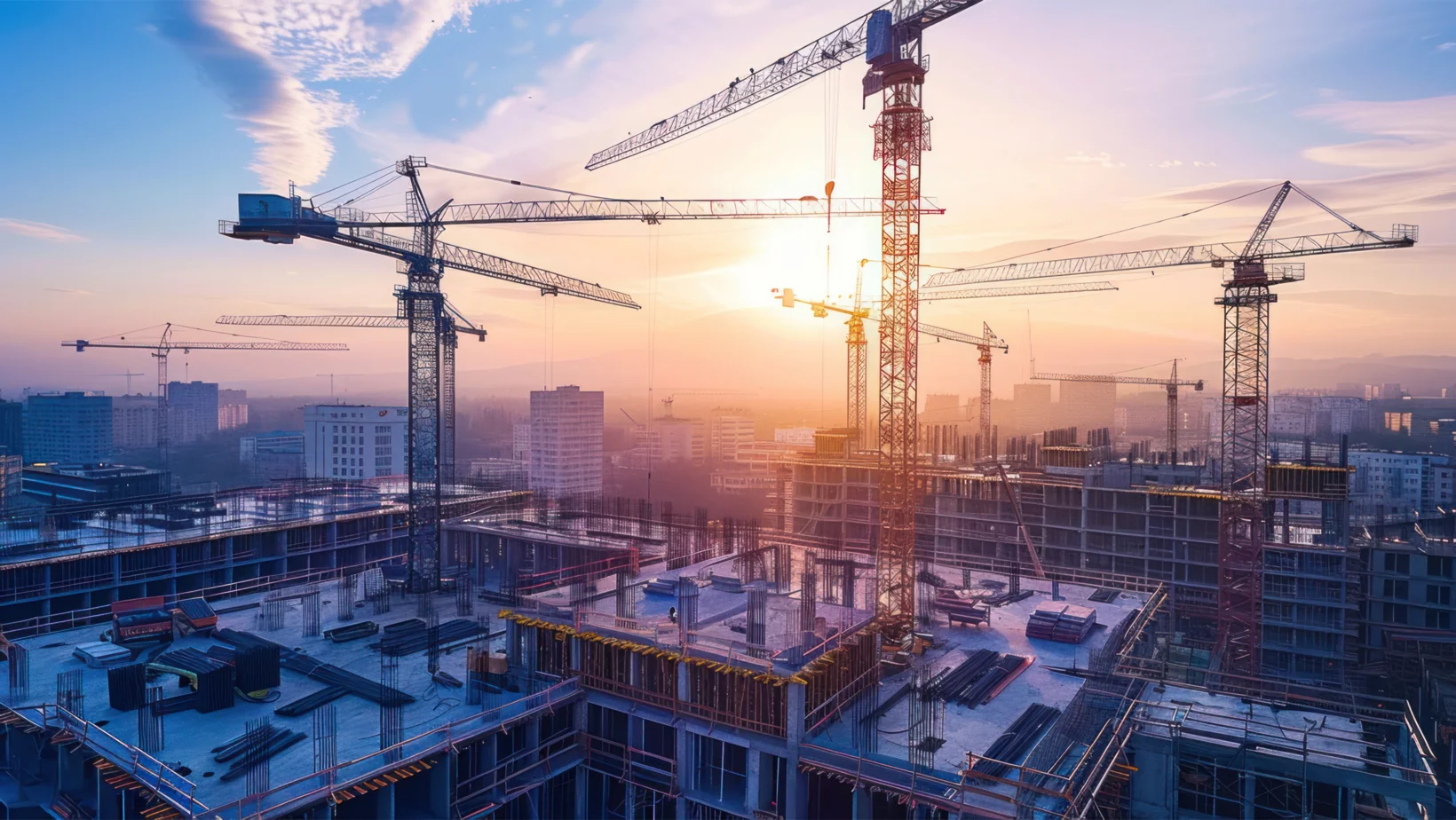
Germany is known worldwide for its engineering expertise and precision – yet when it comes to construction projects, time often seems to stand still. Major projects such as Berlin’s BER Airport, Stuttgart 21 or numerous motorway and bridge construction projects have one thing in common: they take longer than planned and cost far more than originally estimated. But why is this? And how can this stagnation be overcome? Modern technologies such as digital construction documentation using site cameras offer new solutions to optimise processes and reduce delays.
Bureaucracy slows down construction projects
One of the biggest factors dragging construction projects out is cumbersome bureaucracy. Numerous permits, environmental impact assessments and protracted planning approval procedures mean that there is often a long delay between the initial idea and the actual start of construction. Whilst environmental and public participation procedures are important, in practice they often lead to unexpected delays. In many cases, several years pass before all legal and regulatory requirements are met.
Financing and rising costs
Many construction projects fail not only because of slow approvals, but also due to inadequate financial planning. Costs are frequently underestimated in the early planning phase, meaning that unexpected additional funding becomes necessary during construction. At the same time, public tenders are often lengthy and complex – further delaying the start of construction. With more realistic cost calculations and more efficient tendering procedures, construction projects can be planned more effectively and implemented more quickly.
Lack of digitalisation and inefficient processes
Many building authorities still work with outdated systems, paper files and slow decision-making processes. Digital planning procedures, which have long been standard in other countries, are only slowly gaining ground in Germany. Coordination between authorities, planning offices and construction firms is often laborious and prone to errors – which in turn leads to unnecessary delays. Greater digitalisation could remedy this situation and significantly improve efficiency.
Skills shortage in the construction industry and material shortages
Staffing and logistical challenges also contribute to construction projects taking longer than planned. The shortage of skilled workers in the construction industry makes it difficult to find sufficiently qualified engineers, site managers and tradespeople. At the same time, there are repeated supply bottlenecks for building materials, whether due to global crises or high demand. These two factors mean that even well-organised construction projects can come to a standstill.
Lawsuits and appeals
Another key factor that can significantly delay construction projects is legal disputes. Citizens’ initiatives or environmental organisations take legal action against construction projects and can delay the start of a project by years. Large-scale infrastructure projects in particular often find themselves caught between public interest and local opposition. Whilst it is essential to take environmental and civil rights into account, protracted legal disputes often act as an additional hindrance in such cases.
Weather conditions
Last but not least, weather conditions can repeatedly cause delays to construction projects. Construction projects are particularly dependent on the weather in regions with marked seasonal changes, extreme temperatures or frequent rainfall. Heavy rain, snowfall or storms can make construction sites inaccessible, interrupt building work or damage materials. Heatwaves also affect construction progress, as work in direct sunlight is only possible to a limited extent.
Conclusion: Solutions are needed!
Far-reaching reforms are necessary to ensure that construction projects in Germany are implemented more efficiently. Faster approval procedures, greater digitalisation and more realistic cost control could help to complete projects in a more predictable manner and on schedule. At the same time, targeted measures to support skilled workers and better coordination between all parties involved are required to avoid unnecessary delays.

How construction site cameras can help
An important component in speeding up construction projects is construction site documentation. With a modern camera for construction site documentation, such as those offered by NetCo, construction progress can be tracked in real time. This facilitates coordination between different trades, minimises delays through faster decision-making and enables comprehensive documentation. By using construction site cameras, problems can be identified and resolved at an early stage – a crucial factor in completing construction projects more efficiently and on schedule. NetCo’s construction site cameras also offer numerous features that are particularly beneficial for site managers. With high-resolution images, time-lapse recordings and cloud-based storage, all relevant site information is accessible at any time – no matter where you are. This reduces the need for on-site visits and enables more efficient monitoring of construction progress. What’s more, automatic reports and analyses simplify the documentation and invoicing of construction phases, saving not only time but also costs. Furthermore, current weather conditions can be recorded in real time with location-specific weather data accurate to within 100 metres.